The Last Inheritance Receives Net Zero Institute's First CliFi Storytelling Grant
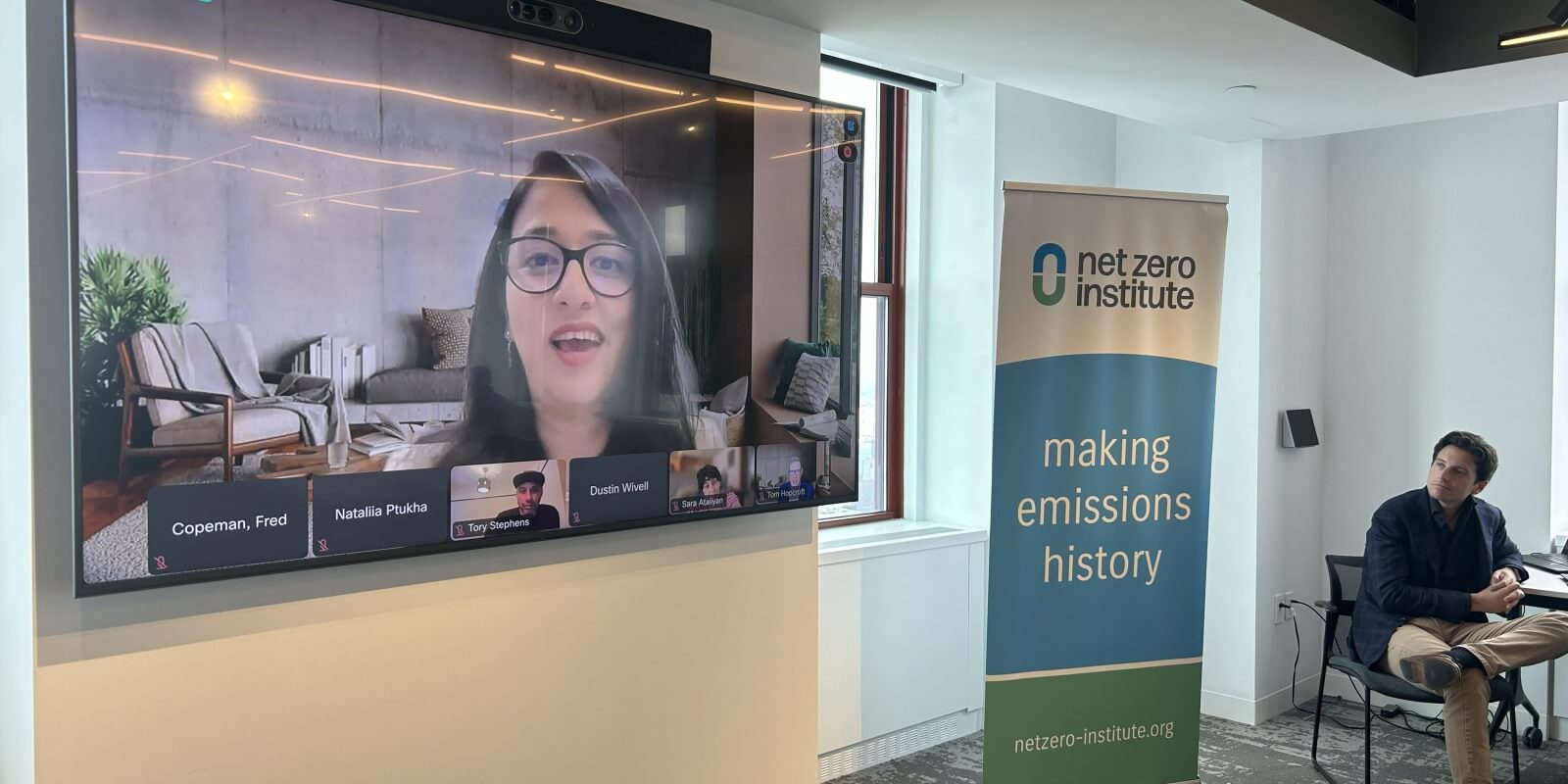
Inaugural Net Zero Institute CliFi Storytelling Grant recipient Alankrita Khera reading an excerpt from her original story, The Last Inheritance, at the grant announcement during 2026 Climate Week NYC.
"The climate crisis did not end with a miracle. There was no silver bullet technology, no billionaire savior, no breakthrough that changed everything overnight. Instead, people did the grunt work." An excerpt from The Last Inheritance by Alankrita Khera.
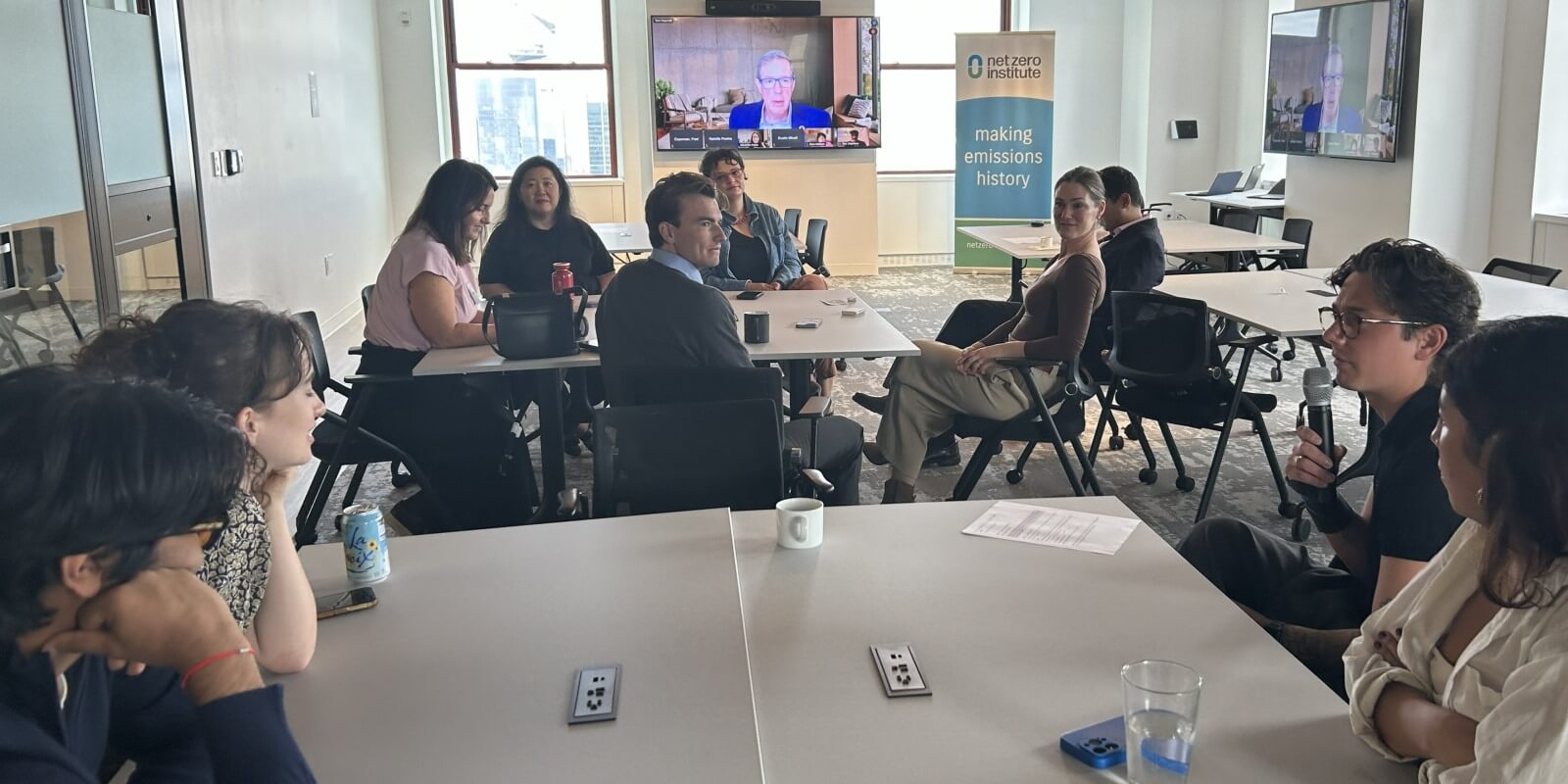
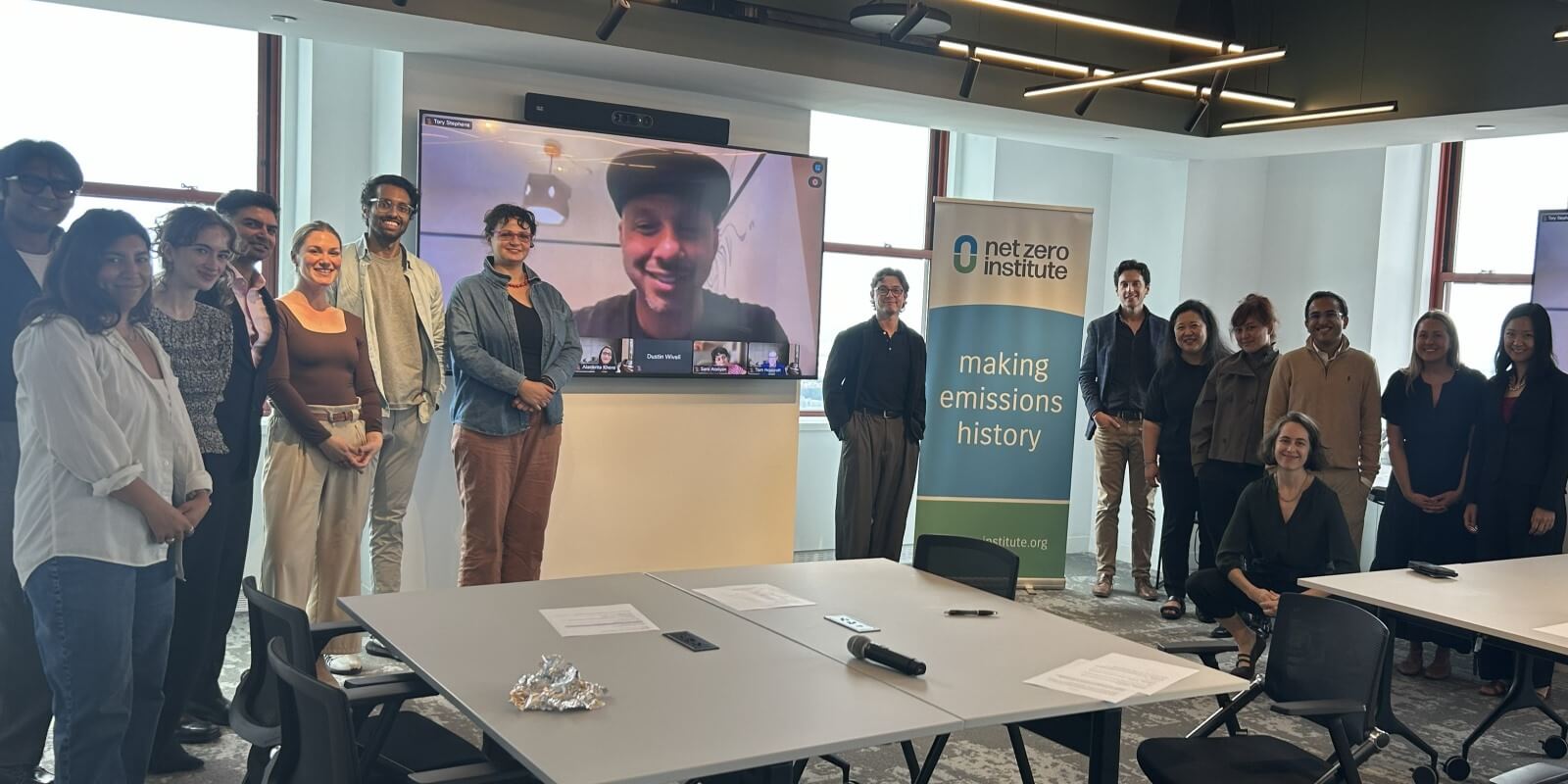
The Net Zero Institute is proud to announce Alankrita Khera of Mumbai, India, as the recipient of the inaugural CliFi Storytelling Grant for her screenplay The Last Inheritance. The $1,000 grant was announced on September 24, 2026, at a gathering during Climate Week NYC in Kearney's offices in the Empire State Building.
Why a CliFi grant
Most climate stories are about disaster and survival. Far fewer help us picture a future where we got it right. The CliFi Storytelling Grant was conceived at the Net Zero Institute's Sustainability 2.0 Summit unconference in December 2025, where participants voiced a shared frustration with how often we imagine dystopia. We announced the call for submissions at our May 2026 Sustainability 2.0 Summit unconference during Boston's inaugural Climate Week, and named the first recipient in September at Climate Week NYC.
At the Climate Week NYC gathering, Net Zero Institute Advisor Anya Gandy of Kearney put it in terms of a lesson from hang gliding. Where you look is where you go. Stare at the rocks and you steer toward them.
The grant supports original literary storytelling that explores compelling visions of a net-zero future. This first year drew more than 45 submissions from around the world.
About The Last Inheritance
It is 2082. On India's western coast, a regenerative region built over decades by community stewardship councils has become a model studied around the world. When Asha Rao, the leader at the center of that movement, dies at seventy-two, her four children expect one of them to inherit her role. Instead, her will divides stewardship among all four and a young marine ecologist none of them have met, and requires them to agree on every major decision for a year.
What follows is part family drama and part mystery. A sealed box for each heir points to a fishing village that vanished from the official record decades earlier, and to the costs some communities quietly carried during the transition.
The judges admired how the story blends the intricacies of conservation governance with family dynamics. Its future is hopeful without being simple. The air is clean, the estuary is thriving and the river dolphins are back, yet people still argue, compete and make hard trade-offs. As one line in the story puts it, "Stewardship was never ownership, but simply a temporary responsibility granted by one generation to the next."
The screenplay opens at the Assembly of Tides, an annual civic festival where a twelve-year-old girl reports to thousands of neighbors that river dolphin sightings are up 12%. Asha watches from the edge of the crowd. When a young father tells her his daughter served on the watershed team, Asha asks, "Was she the one who kept correcting the engineers?" Told yes, she answers, "Good! Someone should."
Read the excerpt Alankrita recited at the grant announcement during Climate Week NYC. It follows Asha’s children on the night of her funeral and at the reading of her will.
About Alankrita Khera
Alankrita brings nearly two decades of experience across broadcast media, social impact and climate tech investing, with a track record of scaling mission-driven organizations. During the Climate Week gathering she joined virtually from Mumbai, where she noted that clear skies are something many people no longer get to see. She described the heart of her story as "the very, very strange, almost unfathomable privilege of inheriting a world where disasters are something you only know as stories."
Alankrita plans to complete The Last Inheritance by the end of the year, and we cannot wait to see where it goes.
Thank you
 Thank you to everyone who submitted a story. It takes creativity and courage to put your vision of the future out into the world, and we hope you will keep writing and apply again next year.
Thank you to our judges, Eunice Chapon of the Boston International Film Festival, Angela Hultberg of Kearney, Tori Stevens of Imagine 2200 at Grist, and Thomas Machacz of the Brattle Film Foundation.
And thank you to the CliFi founding team of Anya Gandy of Kearney, Aneil Tripathy of Ceres, Tricia Bitetto of Venture Café Cambridge and Jessica Mastors, who first imagined this grant at our unconference and brought it to life. Thanks also to Fred Copeman and the Kearney sustainability team for hosting the Climate Week gathering.
We need more stories that help us picture the regenerative future we want to live in. We are proud to help share one of them.